Florida’s late-summer thunderstorms can drop a tremendous amount of rain in a short period of time. For homeowners throughout Hillsborough, Pinellas, and Pasco Counties, that can mean more than a wet lawn. If water repeatedly collects around your home after a storm, it could be a sign that your storm drainage system isn’t moving water efficiently.
With Florida’s rainy season still in full swing in September, now is an important time to understand why standing water develops, what warning signs to watch for, and when professional storm drain services may be necessary.
At Total Plumbing Solutions, storm drains are an important part of protecting homes and properties from excess water. Addressing drainage concerns before they become severe can help reduce the risk of water damage and costly repairs.
What Causes Standing Water After a Florida Storm?
A small amount of temporary standing water after a major downpour isn’t necessarily unusual. However, water that remains for hours or repeatedly collects in the same locations deserves attention.
Some common causes include:
- Blocked storm drains
- Leaves and debris restricting drainage
- Sediment buildup
- Damaged or deteriorating drain lines
- Poor drainage around the property
- Clogged underground lines
- Excessive rainfall overwhelming an already restricted system
When water has nowhere to go, it can begin collecting around foundations, driveways, walkways, landscaping, and other areas of the property.
1. Blocked Storm Drains Can Prevent Water From Escaping
Storm drains are designed to collect and redirect rainwater away from areas where it could cause damage.
Over time, however, they can become restricted by leaves, dirt, grass, sediment, and other debris.
A drain that appears functional during normal weather may struggle when several inches of rain arrive in a short period.
If you notice water collecting around a storm drain instead of flowing into it, the system may need professional cleaning or inspection.
2. Repeated Yard Flooding Shouldn’t Be Ignored
If the same section of your yard floods after every significant storm, don’t simply assume it’s part of living in Florida.
Recurring standing water can indicate an underlying drainage problem.
Pay attention to:
- Water remaining long after rainfall stops
- Muddy or unusually saturated areas
- Erosion around landscaping
- Water flowing toward your home
- Overflowing or slow-moving storm drains
- Pooling near driveways or walkways
Identifying the cause early can help prevent the problem from becoming more extensive.
3. Your Plumbing and Storm Drainage Are Different Systems
One important distinction homeowners should understand is that stormwater drainage and household plumbing aren’t necessarily the same system.
Your sinks, toilets, showers, and other fixtures are designed to carry wastewater away from the home. Storm drains, meanwhile, are intended to manage rainwater and runoff.
Problems with one system don’t automatically mean there is a problem with the other.
However, heavy rainfall can expose weaknesses in drainage infrastructure and may occur at the same time homeowners notice issues with sewer or plumbing systems.
Understanding what system is affected helps ensure the right professional is called to diagnose the problem.
4. Don’t Ignore Water Near Your Foundation
One of the biggest reasons to address drainage problems is the potential for water to collect near the foundation of your home.
Repeated saturation around the foundation can contribute to moisture-related problems and can make existing drainage deficiencies worse.
If you consistently notice water pooling against your house after storms, have the drainage situation evaluated rather than waiting for the next major rainfall.
5. September Is a Good Time to Address Drainage Problems
September is still an active part of Florida’s rainy and hurricane season. The Atlantic hurricane season runs through November 30, meaning homeowners still have plenty of storm activity ahead.
That makes early September a practical time to address drainage concerns you’ve already noticed.
If your property has experienced repeated flooding, slow storm drains, or standing water throughout the summer, don’t wait until the next major storm to investigate the problem.
When Should You Call a Professional?
You may want professional assistance if:
- Storm drains repeatedly overflow
- Water remains in your yard long after rain stops
- You have recurring flooding in the same area
- Underground drainage appears blocked
- You notice erosion around drainage areas
- Water is consistently collecting near your home
- You suspect a damaged or collapsed drain line
A professional can determine whether the problem is related to a blockage, damaged line, inadequate drainage, or another issue and recommend the appropriate solution.
Professional Storm Drain Services Can Help
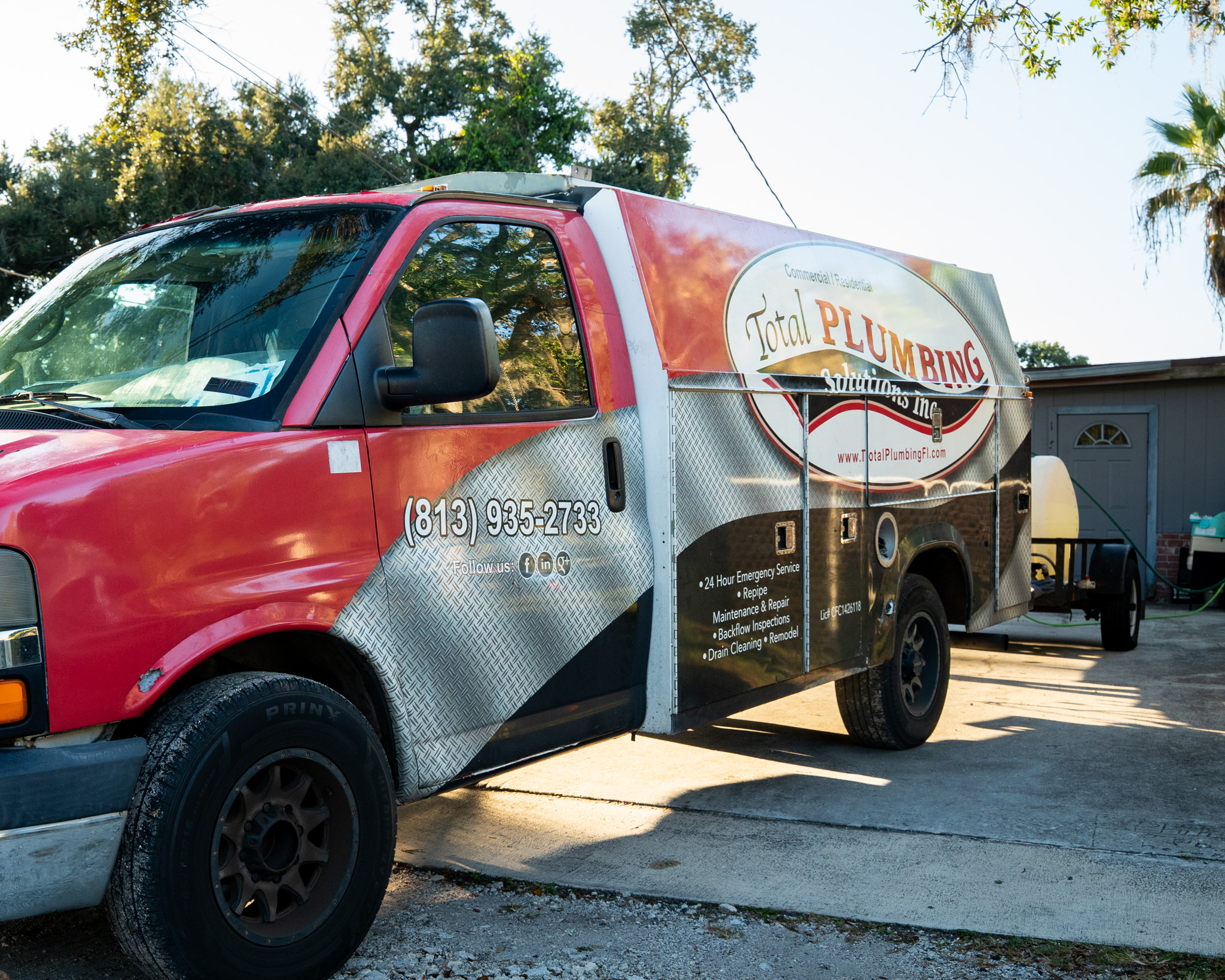
Storm drainage is an important part of protecting Florida properties during periods of heavy rainfall. Total Plumbing Solutions offers storm drain solutions as part of its residential and commercial plumbing services.
The company also provides:
- Sewer and drain services
- Hydro jetting
- Water line services
- Pipe work
- Leak detection and repair
- Water heater services
- Toilet and fixture services
- Emergency plumbing
Total Plumbing Solutions serves customers throughout Hillsborough, Pinellas, and Pasco Counties, helping homeowners and businesses address plumbing and drainage problems before they become larger concerns.
Don’t Let the Next Storm Reveal the Same Problem
Florida’s afternoon storms aren’t going away anytime soon. If your property repeatedly develops standing water every time heavy rain moves through, that’s a problem worth investigating.
Taking care of drainage issues now can help your property handle future storms more effectively and may help prevent water from collecting where it shouldn’t.
If you’ve noticed recurring yard flooding, slow storm drains, or other drainage concerns this summer, contact Total Plumbing Solutions for professional service throughout the Tampa Bay area.
September Storm Drain Checklist
Before the next major storm, take a few minutes to:
- Check visible storm drains for debris
- Look for areas where water repeatedly pools
- Inspect the area around your home’s foundation
- Watch how quickly standing water drains after rainfall
- Note any recurring drainage problems
- Contact a professional if the issue persists
Don’t wait for another heavy storm to expose a drainage problem. Address it now and give your property a better chance of handling Florida’s late-summer rainfall.